The Ten-Past-Eleven Rule: Timing Your UK Club Entrance in 2026

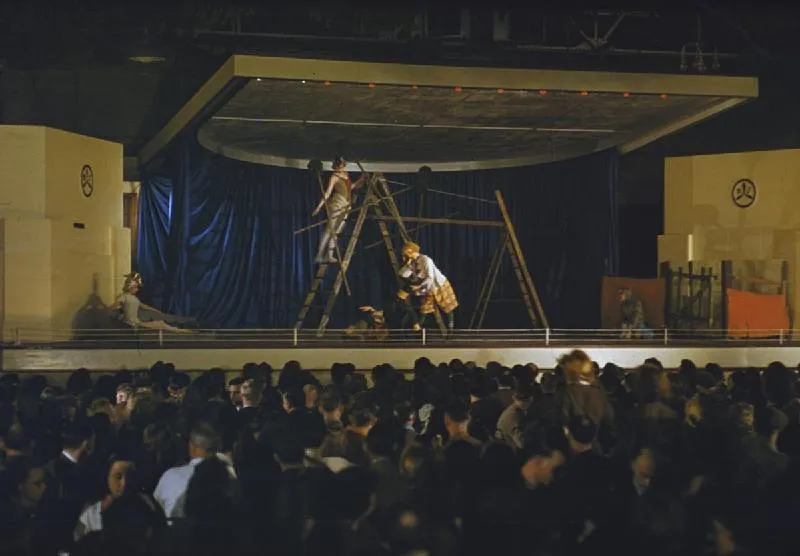
Photo: Photo: Mikhail Evstafiev, CC0, via Wikimedia Commons
Everyone obsesses over the lineup, the outfit and the pre-drinks playlist. Nobody puts enough thought into the clock. In UK clubbing, arrival time is not a detail — it is the move. The gap between 10:40 and 11:25 can decide whether you are standing in a half-empty room nursing an expensive pint or walking into a room that has just found its pulse.
Why the First Hour Is a Trap
Doors at 10pm does not mean the night starts at 10pm. Early arrivals get the clean toilets and the pick of the bar, but they also get the DJ playing to a floor that is still deciding whether to take its coats off. The room feels exposed. Conversations echo. You convince yourself the night will never get going, order another drink and peak too early.
Late arrivals have the opposite problem. The queue has wrapped around the block, the cloakroom has become a scrum and your group has already split into two camps: the ones inside and the ones still arguing with a bouncer about a screenshot of a ticket. By the time you get in, the first two hours have gone and the room has already had its first proper moment without you.
The sweet spot is not one magic minute. It is a window — usually somewhere between 10:45 and 11:30, depending on the venue, the city and the night.
The Sweet Spot, by Venue Type
Superclubs. Aim for 10:45 to 11:15. Big rooms need bodies to feel alive, and the first support slot often lands around 11. Guest list cutoffs can bite earlier than you expect, and the cloakroom queue grows fast. Get in, get your coat checked, get a drink and let the room fill around you.
Basement and independent clubs. These rooms often run later than the big venues. A 11:00 to 11:30 arrival is usually sensible. The sound improves when the room has people in it, and the first proper switch-on often happens closer to midnight. Arriving too early in a low-ceiling basement can feel like standing in someone's front room before the party has started.
Warehouse spaces. Give yourself a buffer. These venues are often further from the tube, the walk can be longer than the map suggests, and cloakroom setups vary wildly. Aim for 11:15 to 11:45, but leave earlier than you think you need to. A 20-minute walk in the cold can turn a good arrival window into a bad one.
Student nights. The cheap-drinks crowd moves early. If you want to avoid the 11:30 queue spike, get there between 10:30 and 11:00. The room will be busier earlier than at a standard club night, and the bar queue gets ugly once the pre-drinks crowd arrives en masse.
City Clocks Are Real
London is not one city when it comes to timing. A big venue in the centre can fill early, while a Shoreditch basement might not properly wake up until midnight. Manchester rewards a slightly later arrival for independent rooms, but big club nights still want you in before 11:15. Leeds tends to hit its stride around 11:15. Bristol is often a 11:00 to 11:30 town. Glasgow can run later, but licensing and last entry still catch people out. Birmingham is a mixed bag — check the venue, not the postcode.
The rule is simple: the bigger the venue and the bigger the name, the earlier you should treat the arrival window. The smaller and more local the night, the more you can afford to drift in later.
The Group Chat Problem
Timing falls apart because groups do not leave together. One person is still doing their hair. Another is waiting for a mate who is definitely coming but has not replied in 40 minutes. A third has decided the pre-drinks pub is too good to leave.
Assign a door lead. This person checks tickets, IDs and the guest list confirmation. Assign a cloakroom lead if your venue has a serious bag situation. Meet at the pre-drinks spot, not at the club. If you are getting a guest list, arrive as one group — splitting up is how names get missed and favours get tested.
If someone is running late, do not let the whole group wait outside in the cold. Set a rendezvous point inside — near the cloakroom, not at the bar — and get in. The night does not pause for one person's outfit crisis.
What Door Staff Wish You Knew
Door staff are not your enemy, but they are working to a clock you cannot see. Last entry might be 1am, but the queue can stop moving much earlier. Guest list cutoffs are often strict. Have your ID out, your ticket downloaded and your bag small enough to carry. The cloakroom queue at 11:15 can easily cost you 20 minutes, so arrive at 10:50 if you are carrying a coat you do not want to dance in.
The people who breeze through the door are rarely the loudest. They are the ones who have their details ready, their group together and their expectations in check.
Spotting the Switch-On
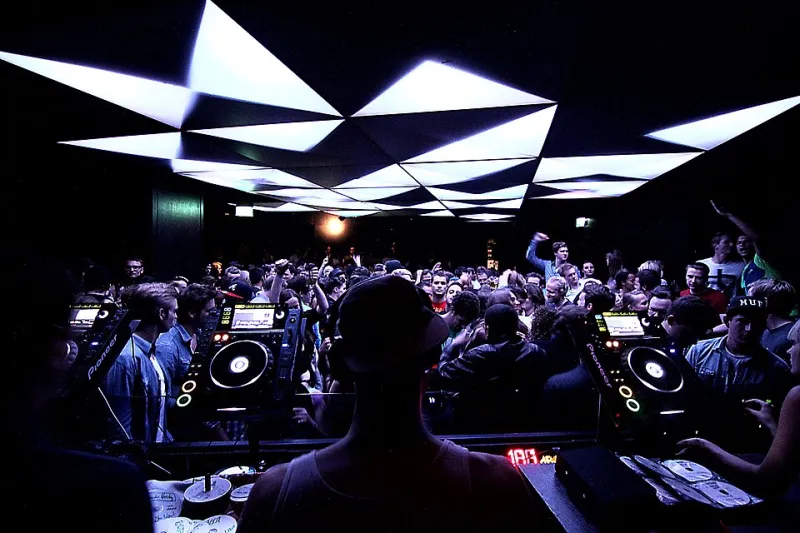
Every room has a moment when it changes. The lights drop, the first big tune lands, the bar queue shortens because everyone is on the floor. It usually happens somewhere between 11:30 and 12:15. You want to be inside, coat checked, drink in hand and near the floor before that moment arrives. If you walk in as it happens, you spend the next hour playing catch-up.
Timing is free. It costs nothing to set a departure time from the pre-drinks and stick to it. The best night out is not the earliest or the latest. It is the one where you are already in the room when it turns.