Clear Head, Big Bassline: The Sober Clubber’s Handbook for 2026
Photo: Ministry of Information official photographer, Public domain, via Wikimedia Commons
There’s a moment around 11pm in any UK club when the night could go either way. The queue at the bar has thinned, the first proper tune has landed, and someone in your group is holding a pint they don’t really want. In 2026, that pint is increasingly a zero-proof lager, a citrus-heavy mocktail in a proper glass, or a can of something cold that costs about the same as the real thing. And nobody is making a thing of it.
That’s the quiet shift worth paying attention to. The sober-curious night out is no longer a fringe experiment built around a lonely bottle of water and a lot of explaining. Across UK clubs, promoters and bar teams are treating alcohol-free options as part of the main event — and clubbers are responding by staying longer, dancing harder and leaving with their hearing intact and their taxi money still in their pocket.
The first hour is the tell
You can usually judge a venue’s attitude to sober clubbers before the bassline gets going. A good sign is a zero-proof menu that isn’t buried at the bottom of the list, or a barback who doesn’t look baffled when you ask what’s alcohol-free on draught. A better sign is a dedicated fridge that isn’t tucked behind the energy drinks.
The best UK venues have worked out that a sober customer is still a customer. They buy tickets, they buy rounds of soft drinks, they bring friends, and they often arrive earlier and stay later than the crowd that peaks at midnight and fades by 2am. In a climate where every venue is fighting for footfall, that’s not a niche. That’s a reliable Tuesday.
Why the clear-headed crowd is growing
The reasons are familiar by now: money, mental health, fitness, the simple fact that a hangover on a Saturday morning is a waste of a weekend. But there’s a less discussed factor too — the quality of the alcohol-free stuff has got genuinely good. Zero-proof beers have moved beyond the sad early days of watery lager. Distilled botanical spirits, canned spritzes and pre-mixed negronis now sit on bar shelves next to the gin. When the alternative tastes like a proper drink, the decision stops feeling like a sacrifice.
There’s also a generational confidence to it. Younger clubbers seem less interested in performing drinking than in having a good night. They’ll order a zero-proof drink with the same casual energy as a pint, and the dancefloor doesn’t care either way. That matters. The social pressure that used to attach to a sober night out — the endless “go on, just have one” — is thinning out in rooms where the bar staff are clearly on board and the menu backs it up.
What the good venues are doing right
Three things stand out. First, presentation. A zero-proof drink served in a plastic pint cup feels like an afterthought. The same drink in a stemmed glass with a decent garnish feels like you ordered it on purpose. Second, price. Nobody expects alcohol-free options to be free, but charging £9 for a mocktail when a pint is £6 is a quick way to make sober clubbers feel like they’re being taxed for not drinking. Third, and most importantly, visibility. If the only alcohol-free sign is a laminated A4 sheet by the till, the message is clear enough.
The venues getting it right tend to have a named alcohol-free list, staff who can recommend something without hesitation, and a policy of not making a performance out of it. No “well done you” energy. Just a decent drink, served properly, at a sensible price.
The sober rave isn’t a novelty anymore
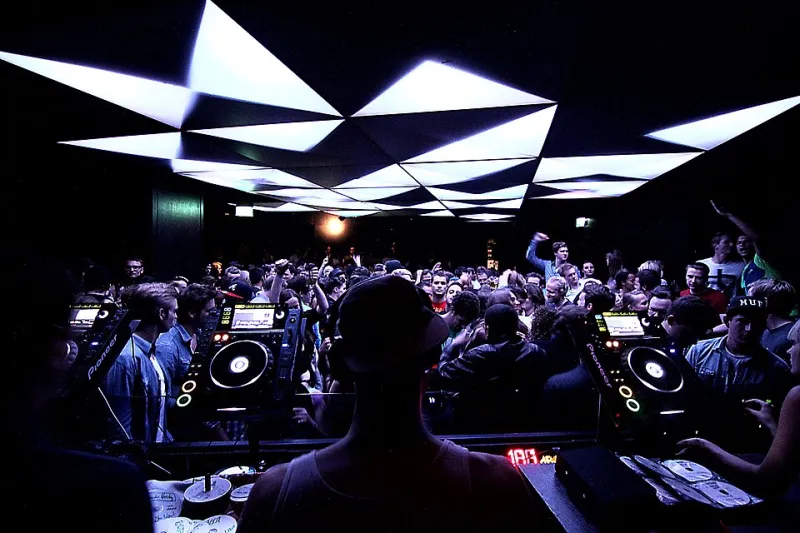
Dedicated alcohol-free raves and sober club nights have been building across the UK for a while now, and in 2026 they’ve settled into something that feels less like a health kick and more like a scene. The best of them aren’t quiet, earnest affairs with herbal tea and a workshop. They’re proper parties — full soundsystems, late licences, decent lighting — where the only difference is that nobody’s drink is going to make them miss the last train.
For anyone who’s ever felt like the odd one out at a club, there’s a specific relief in walking into a room where you don’t have to explain yourself. That’s not a small thing. It’s the difference between tolerating a night out and actually enjoying one.
Dancefloor etiquette, adjusted
Sober clubbing does come with a few practical adjustments. You notice the room more — the temperature, the crowd flow, the fact that the smoking area at 1am is basically a group therapy session with a queue. You also notice when a night is badly paced. A sober dancefloor has less patience for a 40-minute lull between headline sets, which is probably a good thing for everyone.
The etiquette is simple: hold your spot, watch your elbows, and don’t assume the person next to you is drinking either. Buy a round of soft drinks if you’re that way inclined. And if someone tells you they’re not drinking tonight, the correct response is “sound” and then back to the music. No follow-up questions.
How to plan a full-energy night without the booze
Start with a proper meal. It sounds obvious, but a sober night out runs on actual energy rather than borrowed energy, and a plate of something substantial before you leave the house makes the difference between lasting until 3am and flagging at 11.30pm.
Pick your venue with the same care you’d give to a lineup. A club with a decent alcohol-free list and a room you actually want to dance in will do more for your night than a bigger name with a bar that treats you like a problem. Travel with mates who aren’t going to spend the whole night asking if you’re alright. And don’t feel obliged to stay till close just because you’re clear-headed. Leaving on a high is a skill.
The morning after, upgraded
The real win arrives at about 9am on Sunday, when the group chat is full of people swearing off tequila and you’re already on your second coffee, planning a walk or a roast or absolutely nothing at all. A sober big night out isn’t about missing out. It’s about being there for all of it — the first tune, the last tune, and the full English afterwards.
In 2026, that’s not a compromise. It’s just a good night out.