Follow the Twenty: The Anatomy of a UK Club Door Price in 2026
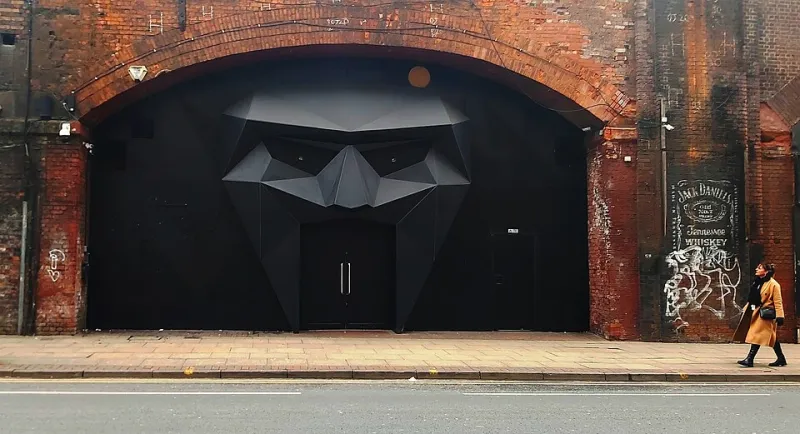
Photo: Anthony Parkes , CC BY-SA 2.0, via Wikimedia Commons
Hand over a twenty at a UK club door in 2026 and it feels like a simple transaction: you pay, you get a stamp, you go in. Behind the till, though, that note is sliced into a dozen tiny portions before the first bassline lands. I spoke to independent venue owners and promoters in Leeds, Bristol and Manchester about what a £15–£25 door price actually covers — and why the same figure can mean very different things depending on where you are standing.
First, the taxman takes his cut
A £20 ticket is not £20 of club money. At 20% VAT, the venue is already working with roughly £16.67 before anyone has checked a coat or tested a monitor. Add card processing fees, ticketing platform commissions and the odd chargeback, and the real figure drops again. For a small venue selling 300 tickets, those percentages are not abstract: they are the difference between replacing a blown speaker this month or next.
“People see a queue and assume it is pure profit,” says Maya, who co-runs a 400-capacity venue in Bristol. “By the time we have paid VAT, the box office cut and the card processor, we are working with closer to £16. Then someone asks why the drinks are not Wetherspoons prices.”
Security, licensing and the invisible infrastructure
The door team is the most visible cost, but it is rarely the whole story. SIA-licensed staff, supervisors, CCTV monitoring, first aid cover, insurance and the conditions attached to a premises licence all sit inside that entry fee. A late licence is not a permission slip; it is a list of obligations. More hours mean more staff, more risk assessments and more ways for a night to go wrong.
“Every extra hour after midnight has a price,” says a Leeds promoter who runs events across three venues. “You are not just paying for the DJ. You are paying for the people who keep the room safe, the person watching the cameras and the person who has to stay sober enough to make the call if something kicks off.”
The sound rig does not pay for itself
A proper club soundsystem is a five-figure investment before you have paid anyone to tune it. Sound engineers, rig maintenance, spare drivers and the occasional emergency repair all come out of the same pot. Then there are music licensing fees — PRS and PPL payments — which venues pay for the right to play recorded and live music. These are not glamorous line items, but they are part of why a night with a serious rig costs more than a night with a Bluetooth speaker and a hopeful promoter.
Heating is another quiet drain. In winter, warming a large room before midnight is not cheap, and neither is keeping it comfortable when the doors close at 4am. Energy costs have made plenty of venues rethink their opening hours, not because they dislike late nights, but because the maths has to add up.
Why the same £20 buys different nights
Capacity changes everything. A 150-cap room with a brilliant soundsystem can cost more per head to run than a 1,000-cap venue with a packed bar. Rent, business rates and staffing levels vary wildly between cities, and a headline DJ fee can swallow a chunk of the door before the support act has been paid. A £20 ticket in one postcode might be funding a world-class rig and a fair artist fee; in another, it might be covering a room that is simply too big for the night.
“There is no standard £20 night,” says Maya. “There is a £20 night that pays its staff properly and a £20 night that is quietly borrowing from next month. From the queue, they can look identical.”
What ‘cheap’ can hide
Cheap is not automatically bad. Student nights are often subsidised by the bar, and some venues make their money on drinks rather than the door. But when a ticket looks unusually low, it is fair to ask what is being left out. Short-staffed bars, rushed sound checks, artists paid in exposure and security stretched too thin are all ways of making a night look affordable on paper. Sometimes the saving is genuine. Sometimes it is just being passed to someone else.
How to spot a door price that supports the scene
A door price that supports the scene tends to look boringly honest. Set times are published. The lineup is clear. Staff look like they have been briefed, not abandoned. The soundsystem does not distort when the room fills up. Advance tickets are available without a booking fee that feels like a second door tax. And the venue is not trying to fit 500 people into a room licensed for 350.
None of that guarantees a great night, but it is a decent signal that your money is going into the room rather than just the spreadsheet. The next time you hand over a twenty, remember it is not only buying you entry. It is paying for the lights, the licence, the security, the sound and the people who make sure you get home with your hearing and your coat. That is the real door tax — and in 2026, it is worth knowing where it goes.