The 20-Second Scan: Reading a UK Club Before the First Round Lands
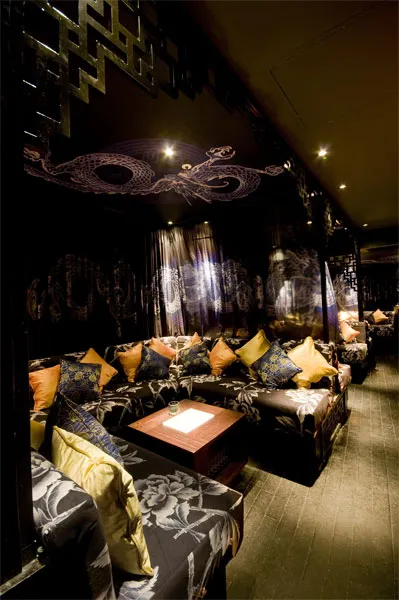
Photo: Stephanievross, CC BY-SA 3.0, via Wikimedia Commons
You're through the door, coat still on, phone still in hand. The first decision of the night isn't what you're drinking or who you're texting back — it's where you're going to stand. And by the time you've made that call, the room has already made a few of its own.
A club's layout is the quietest part of the night. It doesn't get a lineup poster or a soundsystem credit, but it decides how easily you find your mates, how often you lose them, whether the bar queue swallows half an hour and whether the dancefloor feels like a party or a holding pen. You can learn a lot in the first 20 seconds. Here's what to look for before the first pint lands.
The Door-to-Bar Run Is the First Review
Watch what happens in the first ten metres inside. If the entrance opens straight onto a bar, with no buffer and no clear path, you're in a squeeze point. Every new arrival, every smoker coming back in and every person hunting a drink will collide in the same square of floor. It can still be a great club, but it will feel busier than it is, and the first hour will be a scrum.
A better sign is a bit of decompression: a corridor, a cloakroom turn, a short ramp, a lobby that lets people peel off left and right. Converted cinemas and old theatres often get this right by accident — there's a foyer, a ticket desk, a sense of arrival before the main room. Railway arches and warehouses can do it too, but only if the promoters have resisted the urge to put a bar directly behind the door.
The door-to-bar path tells you how the room handles people. If it's clear, the club has thought about flow. If it's blocked, prepare to spend the night saying 'sorry' to strangers.
Sightlines Are the Quiet Headliner
Look up and across. Can you see the dancefloor from the bar? Can you see the bar from the dancefloor? Is there a raised bit, a mezzanine, a ledge or a pillar-free sightline that lets you clock where your group has drifted?
Good sightlines are the difference between a night where you keep finding each other and a night where every trip to the toilet becomes a search party. Rooms that are all pillars and dark corners can look atmospheric, but they make a crowd feel fragmented. Rooms with a clear central axis — bar at one end, stage or DJ at the other, dancefloor in between — feel sociable even when they're packed.
This isn't about fancy design. A bare-bones club with a sensible shape will beat a beautifully decorated maze every time. If you can see the room, you can relax in it.
The Smoking Area Is a Second Venue
In 2026, the smoking area is no longer an afterthought. It's a terrace, a courtyard, a covered alley with heaters and a vape-swap economy. Its placement changes the whole rhythm of the night.
If the smoking area is too central and too comfortable, the dancefloor empties every 40 minutes. If it's a grim back alley with one bin, people rush back in and the main room stays busy. The sweet spot is a space that's easy to reach but not the main event — somewhere you can cool off, have a chat and return without feeling like you've left the club entirely.
Check how you get there. If the route cuts across the dancefloor, every cigarette break becomes a slalom. If it's off a corridor or a side room, the main room keeps its own weather.
The Second Room Is a Pressure Valve
A second room isn't just a lineup flex. It's a pressure valve. When the main room hits capacity, the second room gives people somewhere to go that isn't the bar or the smoking area. It keeps the night moving.
The best second rooms have their own bar, their own toilets and enough sound separation that you can hear yourself think. The worst are basically a corridor with a speaker in it — a place that exists on the flyer but not in the actual flow of the night. If the second room feels like a detour, the main room will feel twice as packed.
Ask yourself: does the second room have a reason to be there? If yes, the club can handle a big crowd. If no, you're in a one-room night with a spare door.
Toilets, Cloakroom and the Invisible Traffic
Toilets and cloakrooms are where layout gets practical. A cloakroom near the exit is a gift at 3am. A toilet queue that snakes through the dancefloor is a nightmare at any hour. If the only route to the loos crosses the busiest part of the room, you'll spend the night apologising to people who are trying to dance.
Look for side routes. A corridor, a back stair, a separate loo block — anything that keeps the basic business of the night away from the main event. It's not glamorous, but it's the difference between a club that works and a club that just looks good on Instagram.
What a Good Room Feels Like in the First Five Minutes
You don't need a clipboard. Just do a quick scan: clear path from door, visible bar, sightlines to the dancefloor, a smoking area that doesn't swallow the crowd, a second room with its own gravity, and toilets that don't require a pilgrimage. That's the checklist.
None of it guarantees a great night. The DJ can still be off, the crowd can still be wrong, the pint can still be warm. But a good layout gives the night a chance. It lets the room breathe, lets people find each other and lets the dancefloor do its job.
So before you order, take 20 seconds. The room is already talking. You just need to listen.