From 'Maybe' to Mosh Pit: The UK Group Chat Ritual That Books Your Big Night Out

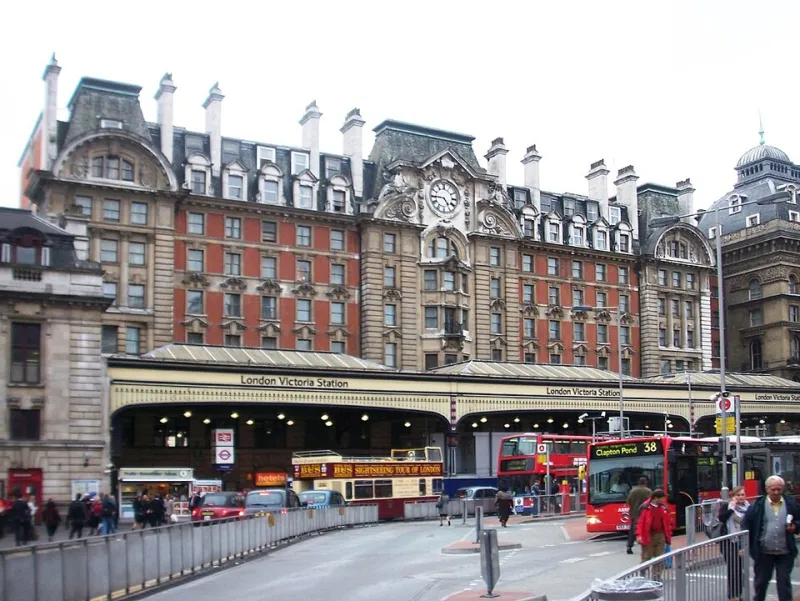
Photo: Monikaa Baskar, CC0, via Wikimedia Commons
Every big night out starts long before the first pint. It starts with a WhatsApp group named something like 'BIG ONE???' and a flurry of messages that peaks at 11pm on a Tuesday and then goes suspiciously quiet for four days. In 2026, the group chat is not just the warm-up. It is the venue, the promoter, the ticket office and the source of at least one minor argument about whether anyone actually booked the table.
We asked promoters, door staff and the people who somehow always end up organising everything what a UK group night out really looks like now — and how to get from scattered replies to the same club queue without losing a mate to the 'maybe' pile.
The poll that decides everything (and nothing)
The group poll is a beautiful, flawed invention. Six options, three votes, one person who votes for all of them. A date gets picked, then someone remembers a birthday, then the poll restarts. By the time everyone agrees, the early-bird tickets have gone and the dynamic pricing has kicked in.
Practical fix: one person makes the call and posts a clear plan. Not 'what about the 14th?' but 'Friday 14th, doors 10pm, tickets £12, I'm buying at 6pm — reply yes if you're in.' A deadline is not bossy. It is the only thing standing between your group and another night in the pub talking about the night you almost had.
The ticket split: a modern tragedy in three acts
Act one: someone pays for six tickets on their card and posts a screenshot. Act two: four people send the money straight away, one sends it with the wrong reference, and one says 'will sort you later x'. Act three: the organiser becomes a part-time debt collector and the group chat gets a new tension.
In 2026, the split-payment apps have made this easier, but they have not made it painless. The trick is to buy your own ticket. Group booking links are handy when a promoter offers them, but if the plan is fragile, individual tickets mean nobody is chasing £48 across three banking apps on a Sunday morning. If you do buy as a group, say the amount plainly, pin the message, and agree a cut-off before the night. 'I'll send it Friday' is fine. 'I'll send it when I get paid' is how friendships get tested at the door.
The 'maybe' merchant
Every group has one. They are not malicious. They are waiting to see if something better comes up, or if their energy levels will allow it, or if the outfit they have in mind will work. The 'maybe' is not a yes. It is a holding pattern, and it keeps everyone else in limbo.
Promoters see this all the time. One Manchester promoter told us the difference between a good group booking and a messy one is usually a single decision-maker. 'When one person says, "We're five, here's the payment," it's easy. When five people each message separately asking if there's a guest list, it's chaos.' Door staff say the same: groups that arrive together with tickets in hand move faster. Groups that arrive in three waves, with one person holding everyone's confirmation email, do not.
The outfit crisis (and the Vinted dash)
The outfit panic usually hits at 6pm. It is the moment someone realises the top they planned to wear is still in a Vinted parcel locker, or that the shoes they bought for 'a big night' are actually a half-size too small. In 2026, the pre-night resale dash is a ritual of its own: a last-minute scroll, a message to a mate who wears the same size, a borrowing economy that runs on trust and a shared hatred of returns fees.
Advice from people who have been there: pick the outfit the night before, not the night of. Have a backup. And if the group chat is debating a dress code, check the venue's actual policy rather than guessing. Most UK clubs are far less fussy than the chat assumes. Comfortable shoes are not a compromise. They are the difference between a big night and a big taxi home at 1am.
What the door actually sees
Door supervisors are not judging your group chat, but they are reading your group. They see the friend who has had three pints before getting in the queue, the one who has lost their ID, and the one who is trying to negotiate a discount for a party of nine. The smoother the admin, the smoother the entry. Have your tickets ready, know the name on the booking, and agree a meeting point before you go in. If someone is running late, decide whether the group waits or whether they meet you inside. Standing in a queue arguing about it is nobody's idea of a good start.
Promoters also notice no-shows. In 2026, with tighter margins and more events competing for the same Friday night, a group that books and does not arrive is not just a mild annoyance. It affects capacity, staffing and whether that night comes back next month. If plans change, release the ticket if the platform allows it. It is the decent thing, and it keeps the scene healthier.
The six-point plan that actually works
- One organiser, one clear message, one deadline.
- Everyone buys their own ticket unless the group booking is genuinely simple.
- Pin the meeting point and the time in the chat.
- Treat 'maybe' as a no until it is a yes with a ticket.
- Sort the outfit the day before and charge your phone.
- Arrive together if you can, and if you cannot, agree where to find each other inside.
The group chat will never be perfect. There will always be a poll that goes wrong, a mate who goes quiet, and a last-minute scramble for a charger. But the night out is worth the admin. Get the messages sorted, get everyone in the same queue, and the rest — the bass, the lights, the 4am taxi — takes care of itself.