School Night, Big Room: The Weekday Rave Is Running the UK's 2026 Calendar
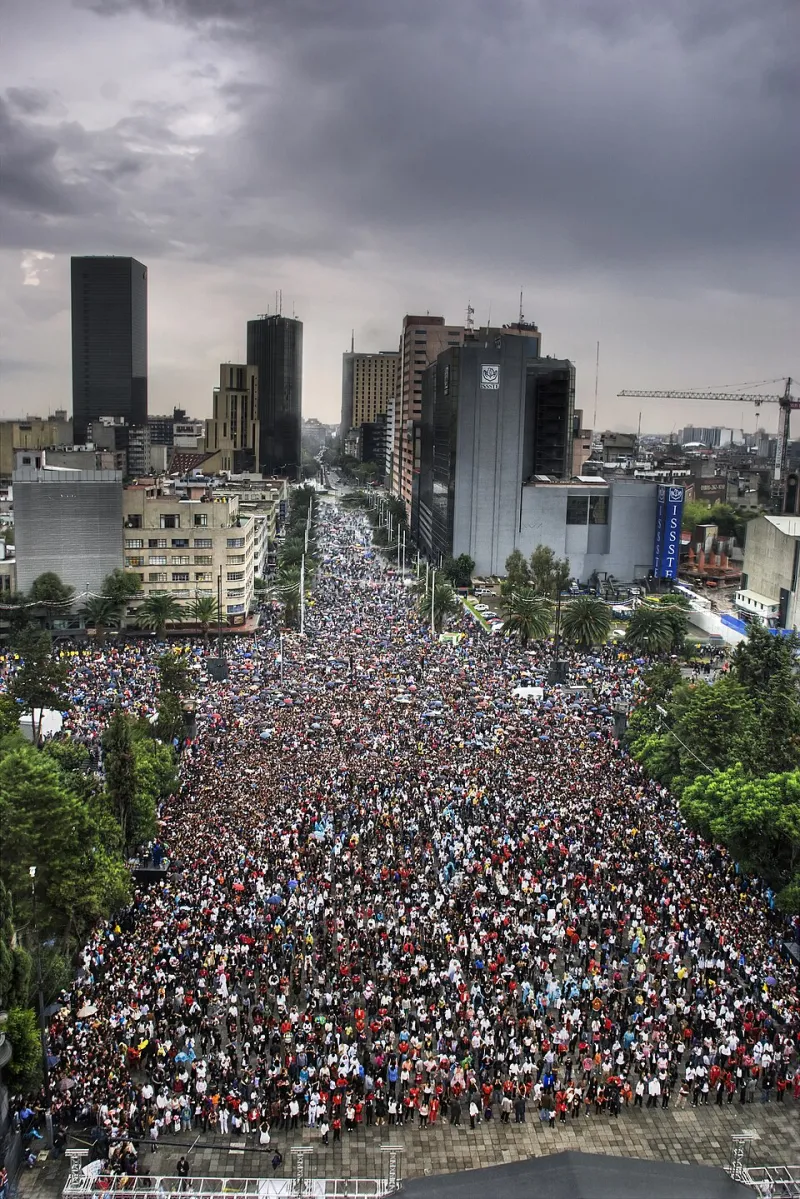
Photo: Eneas, CC BY 2.0, via Wikimedia Commons
There's a particular sound to a Tuesday night in Manchester. Not the weekend roar of a loaded Saturday, but something tighter — a room full of people who have made a deliberate, slightly reckless decision to be out on a school night. The bass still lands the same. The difference is in the crowd: fewer first-timers, fewer stag dos, more people who know exactly what they came for and exactly what time they need to be on a tram home.
Midweek clubbing used to be a student union secret. In 2026, it's a proper fixture on the UK calendar. Promoters from Bristol to Glasgow are programming Tuesdays and Wednesdays with the kind of line-ups that would have been reserved for Friday a few years back, and the people turning up aren't all undergraduates with a 10am seminar they plan to skip.
Why midweek moved out of the union
The arithmetic is simple. Weekend costs have climbed — tickets, trains, the inevitable 2am taxi — and venues are sitting with empty rooms on nights when nobody expects anything. A Tuesday event can undercut a Saturday ticket by a decent margin, book a headline act who fancies a warm-up before the weekend, and still make the room feel full rather than padded out.
"Saturday is a price war," one Manchester promoter tells me. "Tuesday is a conversation. People actually talk to each other before the first drop because the room isn't a crush. You get a better night for half the stress."
Door staff notice it too. A steward at a Bristol venue describes the midweek crowd as "easier" — not quieter, exactly, but less chaotic. Fewer groups arriving already three drinks deep at 10pm. More people who have eaten, planned their last train, and treat the night as an event rather than an endurance test.
The work-from-home Wednesday effect
You can't talk about the weekday rave in 2026 without mentioning hybrid working. The Wednesday desk is often a kitchen table, which means a Tuesday night out no longer automatically means a wrecked office day. Plenty of people are simply shifting their week: a big Tuesday, a slow Wednesday morning, a laptop by noon.
That's changed what promoters can sell. A midweek ticket isn't competing with a Saturday ticket so much as competing with a quiet night in. The pitch is lower stakes: come out, hear something good, still be a functional adult by Thursday.
The result is a crowd that skews slightly older than the student stereotype — late twenties, thirties, people who did their four-in-the-morning years and now want the music without the full weekend mortgage.
The cities getting it right
Manchester leads on volume. Tuesday techno has become almost a civic tradition, and the rooms are big enough to pull names that would normally play a Friday.
Bristol owns the Wednesday house slot. The crowd is knowledgeable, the sound is warm, and the night tends to finish at a sensible hour — which is the whole point.
Leeds has quietly built a strong Thursday garage and bass scene, catching the people who want the weekend to start early without paying weekend prices.
Glasgow does midweek with more attitude than most. Expect a proper club, a proper rig, and a crowd that doesn't need a Saturday to justify itself.
London is the awkward one. The city has the line-ups but also the last trains, the tube closures and the price tag. The best midweek nights here are the ones that understand geography — something near a Night Tube stop, or a venue with a decent late licence and a short walk to a bus.
How to do a big Tuesday without wrecking your week
A few rules that actually work.
Eat properly before you go. Not a bag of chips at the door. A real meal. The midweek crowd is unforgiving about people who arrive hollow.
Know your last train before your first drink. This is the single most useful thing you can do. The Cinderella curfew is real, and the people who enjoy midweek nights are the ones who plan the exit rather than mourn it.
Book the Wednesday morning off, or make it a light one. If you can't, set a hard stop. A 1am finish is still a big night out if the two hours before it were good.
Don't treat it as a Saturday. The whole appeal is that it isn't one. Fewer drinks, better shoes, earlier start — the midweek rave rewards the person who arrives at 10pm ready rather than 11.30pm ruined.
Go with people who are actually up for it. A Tuesday is a bad night to drag along the friend who needs three hours of preamble. The crowd is there for the music. Match the energy.
The new shape of the week
The big night out hasn't disappeared. It's just spread out. Saturday still exists, still sells, still has its own rituals — but the weekday rave has given UK clubland a second engine, and the people filling those rooms aren't treating it as a lesser night. They're treating it as the smarter one.
Which is probably why the best compliment you can pay a Tuesday in 2026 is that it doesn't feel like a Tuesday at all. It feels like a room full of people who chose to be there, with nothing to prove and a train to catch.