Safety as a Headline Act: The Queer Club Nights Rewriting the Rulebook in 2026
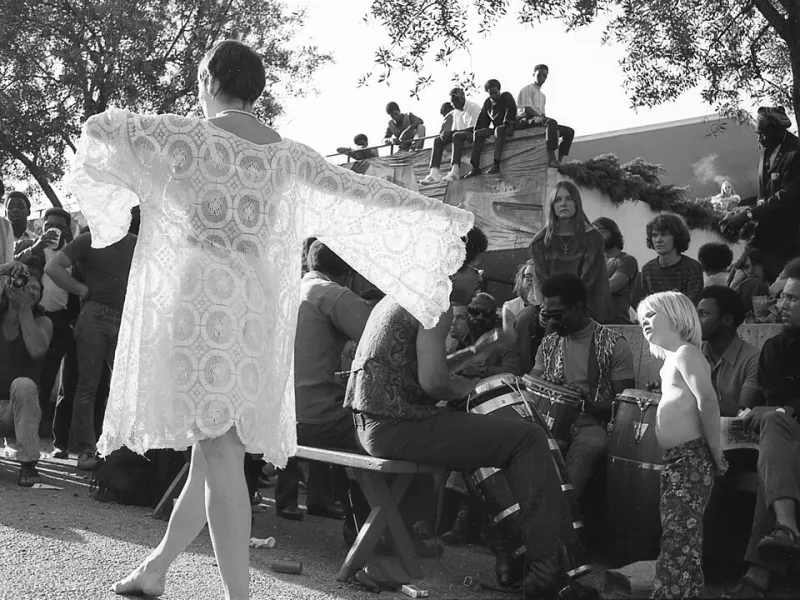
Photo: Lanisha Cole, CC BY-SA 4.0, via Wikimedia Commons
There's a moment near the end of a good queer club night when you notice what isn't happening. Nobody's being shoved towards the exit. Nobody's being filmed without asking. The welfare team by the smoking area is chatting rather than intervening. It sounds like a small thing. In practice, it's the result of a hundred decisions made weeks before anyone walked through the door.
Queer clubbing in the UK has always been a bit of a paradox: the dancefloor as refuge and the dancefloor as release, sometimes in the same room at the same time. What's changed in 2026 is that a growing number of promoters are refusing to treat those two things as a trade-off. Care isn't the thing that happens when the party goes wrong any more. It's built into the party.
The door is the first act
Walk into one of the bigger LGBTQ+ nights in Manchester or London this winter and you'll probably meet more people before the dancefloor than you would at a straight club all night: a door team briefed on pronoun etiquette, a welfare lead with a radio, sometimes a quiet room with water and somewhere soft to sit.
None of that is glamorous and almost none of it shows up in the promo. But ask anyone who has been on the wrong end of a bad night out and they'll tell you the difference it makes. Organisers have learned that a briefed door team defuses more trouble in ten seconds than a security response does in ten minutes — and that a visible welfare presence reassures rather than alarms, as long as the people staffing it actually know the community they're looking after.
Sound with a point of view
The other quiet revolution is technical. A run of queer nights have started booking their own sound engineers rather than taking whatever the venue supplies, tuning systems for the room and for a crowd that wants to talk as well as dance. The result is a night that feels loud in the right places and warm everywhere else.
There's an accessibility angle too. Quieter chillout zones, set times published in advance, strobe warnings on the listing rather than on the door, and — increasingly — a relaxed hour at the start of the night for anyone who finds a full dancefloor overwhelming. It's not a compromise on the party. It's a longer party, because more people get through the door.
Line-ups as a statement
Bookings have shifted as well. The default 'one headline name plus local support' structure is giving way to bills that read like a curation: residents, people from the city's own scenes, and guests chosen for what they'd bring to the room rather than what their streaming numbers look like.
That's partly economics — headline fees have gone up and small promoters can't play that game — and partly principle. Genre-stacked bills, all-night sets and back-to-back pairings have become a way of saying something about a night's identity without writing a mission statement on the flyer.
City by city
Manchester remains the heavyweight. The city's big queer festival moment each autumn sets the tone, but the real work happens month to month in the basement rooms around the Northern Quarter and the arches beyond Piccadilly, where long-running nights and newer crews share a crowd and a pool of regulars.
London has the widest spread: slick Dalston and Hackney venues, warehouse-scale queer parties in the east, and sweatboxes south of the river where the door policy is friendly but firm. The scale means a good night and a bad one can be three streets apart — read the listing properly, and follow the crews rather than the venues.
Brighton punches above its size, with a scene that leans on long-standing community nights as much as on student-fuelled weekenders. Expect mixed ages, mixed tempos, and a genuine sense that the regulars know each other.
Leeds has built something quietly impressive, much of it around a co-operative venue culture that treats accessibility and pricing as part of the offer. Smaller rooms, sharper bookings, and a crowd that turns up early rather than posing by the bar until midnight.
The money problem
Here's the honest bit. Safety and inclusion cost money, and nobody gets a sponsor logo on a quiet room. Welfare staffing, extra door briefings, accessible transport and pay-what-you-can ticket tiers all come out of the same pot that pays for the headline act.
Some nights have squared it by running smaller, more frequent events and pricing realistically. Others rely on volunteers, which is generous and also fragile. And a few have found that treating community care as part of the experience — not a discount — actually builds loyalty that carries through the quiet months of January and February.
Burnout and the volunteer economy
The people running these nights are, mostly, clubbers themselves. Ask them what's hardest and burnout comes up more than money or licensing. Answering welfare messages at 2am, moderating a group chat, dealing with a venue that doesn't share your values but does have a licence until 4am — it adds up.
The healthier crews have started splitting roles and writing things down: an actual welfare rota, a shared code of conduct, and a willingness to cancel a night rather than run it understaffed. That last one is the mark of a scene growing up rather than slowing down.
What to watch in 2026
The direction of travel is clear. More night-specific sound, more explicit policies published before you buy a ticket, more nights run by people who see the party and the community as the same project. If you're new to it, the way in is simple: pick a night, read the listing properly, turn up early, and buy a ticket in advance rather than deciding at 11pm.
The door is watching out for you. It's a nice change.